 Tracking shipments
Cargo tracking
Addtime:2026-04-30 Click:576.98
Summary
Recently, the geopolitical situation in the Middle East has experienced severe turbulence, with escalating tensions and ongoing conflicts between the United States and Iran. At the same time, the U.S. has announced the withdrawal of its negotiation team to Iran, leading to a complete halt in the peace talks. This indicates that the tense situation in the Middle East is unlikely to ease in the short term.
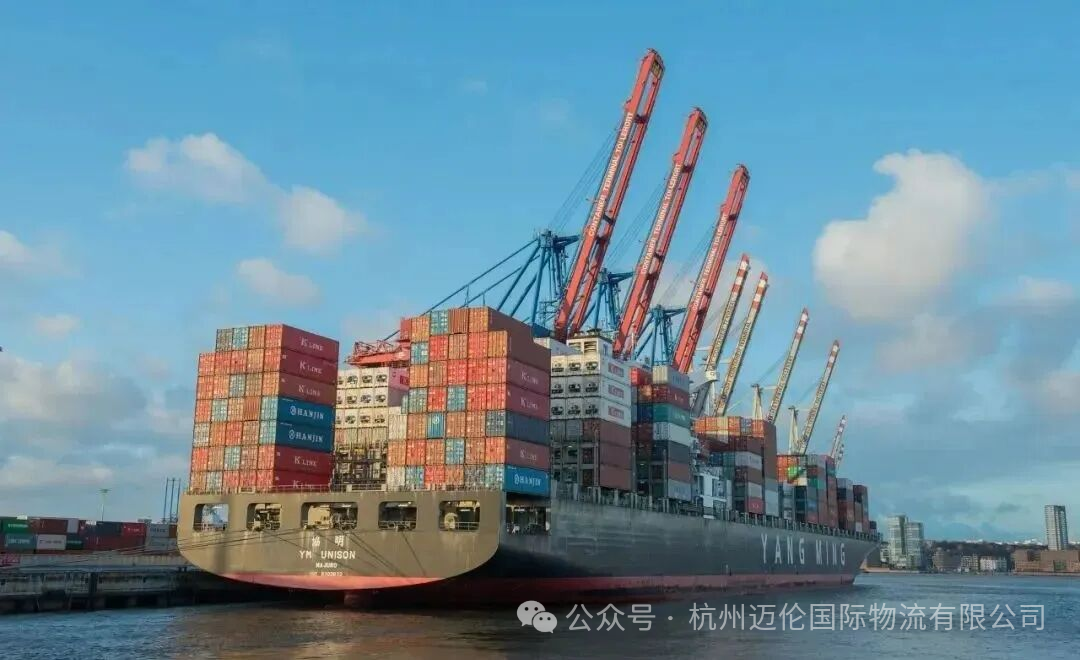
Directly impacted by the geopolitical crisis, international crude oil prices have surged rapidly, triggering a new round of volatility in the global energy market. As the Middle East serves as a global shipping hub and a critical passage for energy transport, the deterioration of the situation is now profoundly affecting the global international logistics and trade landscape across multiple dimensions, including fuel costs, shipping routes, supply chain stability, and freight rate trends.
Image
I. Key Signal of the Situation: Talks Break Down, Conflicts Intensify
The current escalation of U.S.-Iran tensions is not a short-term friction but an eruption of underlying contradictions. The U.S. direct cancellation of negotiation plans with Iran has completely eliminated the buffer space for dialogue. Diplomatic mediation has failed, and the risk of regional confrontation has significantly increased. Military standoffs in the Middle East have intensified, and safety hazards in key waterways like the Red Sea and the Persian Gulf have risen sharply, exposing merchant and cargo vessels to unknown navigational risks. Geopolitical uncertainty has become the biggest "black swan" event for the global supply chain. Compared to localized small-scale conflicts, the breakdown of negotiations implies a protracted and complex situation, with subsequent ripple effects set to continue.
II. Chain Reaction 1: International Oil Prices Soar, Logistics Costs Rise Across the Board
The most direct transmission of geopolitical conflict is a sharp increase in crude oil prices. Fuel is a core cost for sea freight, air freight, trucking, and rail transport. Sustained high oil prices will pass through the entire international logistics chain:
Sea Freight: Major carriers will raise Bunker Adjustment Factors (BAF) and Emergency Bunker Surcharges (EBS), putting upward pressure on freight rates for major routes including those to Europe, the U.S., the Middle East, and India-Pakistan.
Air Freight: Rising aviation fuel costs will lead to higher rates for both volumetric and heavy-weight international air cargo, increasing costs for cross-border air freight and dedicated logistics services.
Inland Trucking & Multimodal Transport: Costs for domestic trunk line transport and port short-haul trucking will rise, increasing overall comprehensive logistics costs.
Additional Costs: Some carriers may introduce war risk and regional security surcharges due to geopolitical risks, further increasing shipment costs.
For foreign trade factories and cross-border sellers, higher shipment costs reduce the competitiveness of export products and erode profits on foreign trade orders.
III. Chain Reaction 2: Key Middle East Waterways Compromised, Shipping Route Risks Surge
The Persian Gulf, the Strait of Hormuz, and the Red Sea are vital arteries for global energy transport and Asia-Europe shipping, and are also core areas affected by the current U.S.-Iran conflict.
Reduced Navigation Safety: Some shipping companies are adjusting route plans to avoid high-risk waters. Detours increase voyage distances, cause delays, and extend sailing times.
Port Operations Hindered: Clearance efficiency and berthing stability at ports in Iran and surrounding Middle Eastern areas are declining, increasing risks of cargo滞留 (cargo hold-ups/congestion) and customs clearance delays.
Tight Space Allocation: Carriers are tightening space allocation on Middle East routes, reducing some less frequent services, making booking more difficult and increasing the probability of fully booked vessels (overbooking) and container rollovers.
Logistics Delays: Route detours, stricter port inspections, and enhanced maritime security checks will extend overall logistics lead times, lengthening delivery cycles for goods shipped to/from Europe, the U.S., the Middle East, and Southeast Asia.
Especially with the Red Sea crisis not yet fully resolved, the new U.S.-Iran conflict adds further pressure, pushing the stability of Middle East and Asia-Europe routes to a low point.
IV. Chain Reaction 3: Global Supply Chain Under Pressure, Foreign Trade Shipping Rhythms Disrupted
The Middle East is a core region for exporting raw materials like energy, chemicals, and minerals, and it is also an important market for Chinese exports. Continued tensions will trigger a series of ripple effects:
Rising raw material prices increase manufacturing costs and force adjustments to export shipment plans.
Overseas buyers become more watchful; some clients postpone orders or delay shipments, causing noticeable short-term fluctuations in cargo volume.
Increased uncertainty in cross-border supply chains forces companies to adjust inventory planning, disrupting the rhythm of overseas warehouse replenishment and batch shipments.
Rising insurance costs, including cargo and maritime freight insurance premiums, further increase shipment expenses for businesses.
V. Conclusion: Crisis and Opportunity Coexist, Foreign Traders Need Steady Footing
The breakdown of U.S.-Iran negotiations suggests that Middle East tensions will persist long-term. Geopolitical conflicts always bring both crisis and opportunity. While rising oil prices and route disruptions create significant short-term pressure on foreign trade enterprises, they also force the industry to accelerate supply chain optimization and enhance risk response capabilities. At this moment, foreign traders need to remain calm, accurately assess the situation, and maintain a solid operational foundation through scientific logistics configuration, reasonable cost control, and strict compliance management. At the same time, they can watch for market rebound opportunities after the situation eases, proactively positioning themselves with quality customers and potential markets.
In today's highly uncertain global trade environment, only by staying grounded, adapting proactively, can one remain steady amidst the storms and seize new opportunities amid change. Wishing all foreign traders a smooth navigation through this period of volatility, with continuous orders and steadily growing profits!




Connecting the world across ocean.
Our goal is to move towards the future while
facing the sustainable development of the world.
客服电话: 400-02-MYRON (69766)
公司邮箱: shipping@myronlogistics.com
G.T. Land Plaza Building 1 – Suite 1208-5
No. 45, Jiefang East Road, Shangcheng District,
Hangzhou, Zhejiang Province, 310008








© 2023 Hangzhou Myron International Logistics Co., Ltd. All Rights Reserved. 浙ICP备2022031013号-1 www.myronlogistics.com
Design by :yushangweb
This website respects your privacy and we will use the necessary cookies to collect data to optimize your web experience, including security and network management. If you continue without changing your settings, we will assume that you agree to receive these cookies. To learn more about the cookies we use, please see our Privacy Policy.